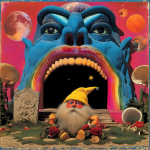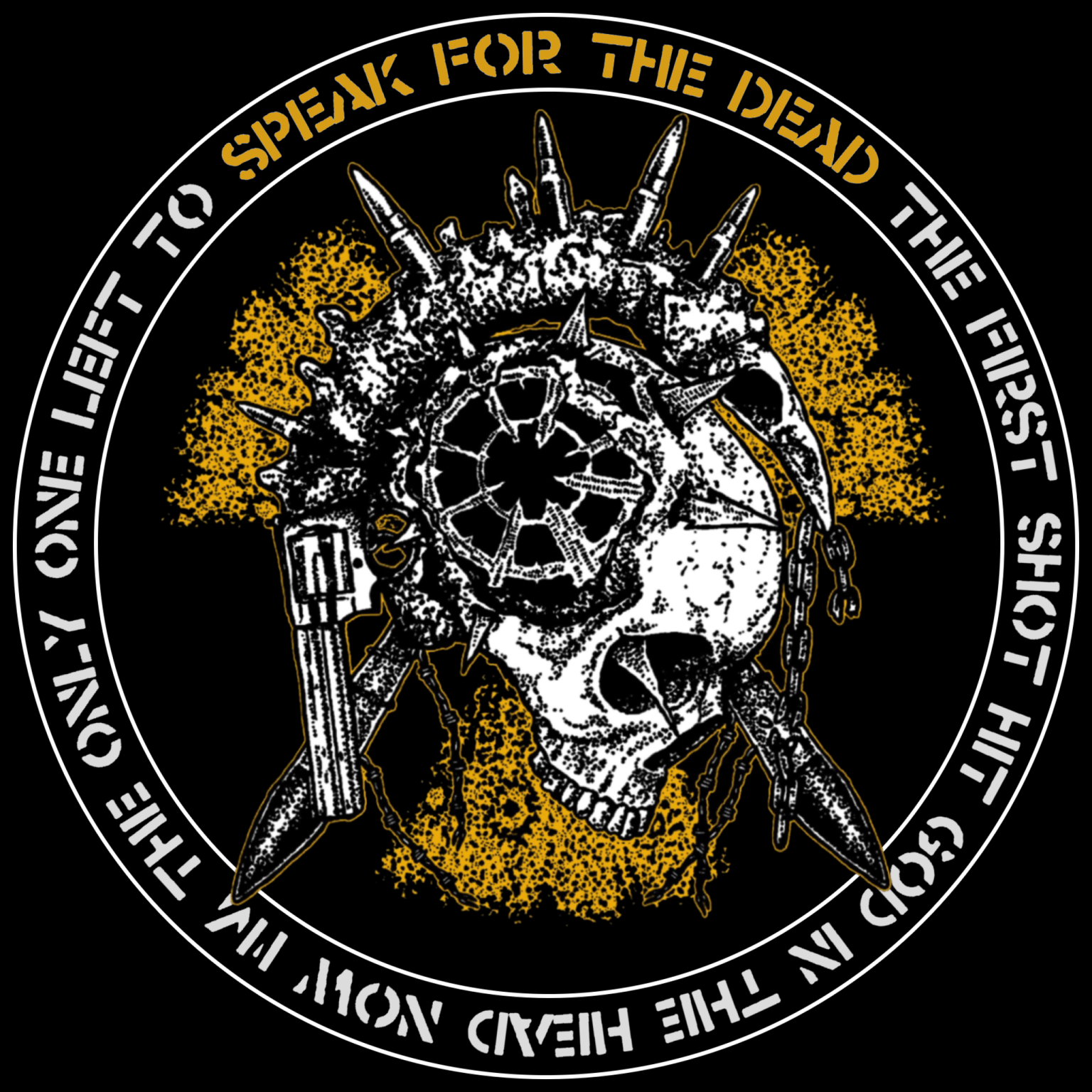
From the gutters of Santa Rosa, California, Speak for the Dead erupts as a Molotov cocktail lobbed straight into the complacency of modern heavy music. The self-titled debut album by Speak for the Dead is not subtle, not polite, and not interested in compromise. It is filthy, ferocious, and loud enough to feel like a personal challenge—music that doesn’t just demand your attention but physically takes it. From the opening moments, this record announces itself as a declaration of intent: raw street-level truth delivered at maximum volume, fueled by sweat, grit, and lived experience. If rock and roll is meant to be dangerous, this album understands the assignment completely.
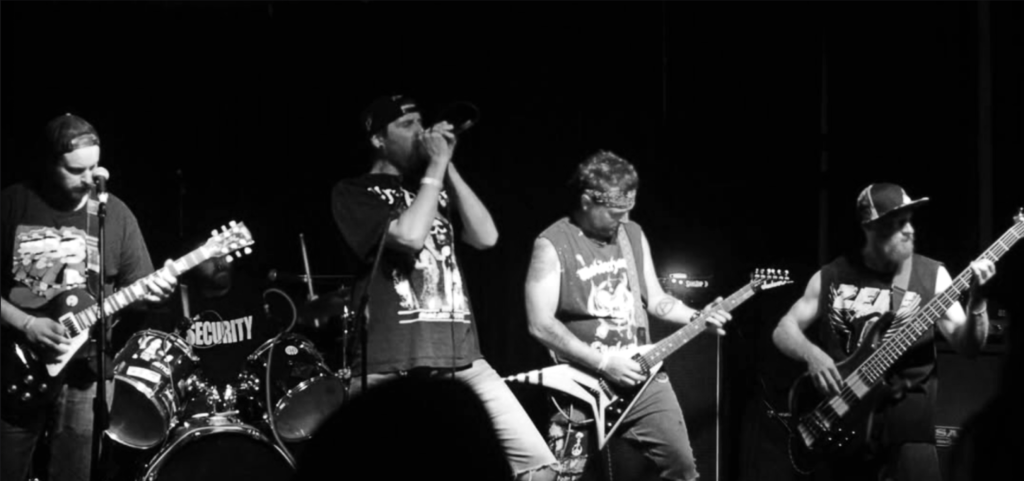
Formed in 2024 by lifelong friends Jordie Hilley and Clay Prieto—both also members of the legendary California Oi! outfit Resilience—Speak for the Dead feels less like a new band and more like a detonation that’s been building pressure for years. Add to that the commanding vocal presence of Eric Lundgren (Hatchet, Axiom Collapse) and the sharp-edged guitar work of Nick Parker, and you get a lineup that sounds battle-tested from the first note. Drawing influence from Discharge, Inepsy, Power Trip, and Motörhead, Speak for the Dead taps into the primal lineage of punk and metal while pushing it forward with urgency and intent.
The album’s opening run—starting with “Whatever It Takes…” and moving into “The World We Know”—sets a relentless pace. These tracks feel like fists clenched around truths that are too loud to ignore. There’s a sense of forward motion throughout the record, a refusal to slow down or soften the blow. “Fighting in the Pit” is pure catharsis, capturing the communal violence and unity of hardcore shows, where chaos and connection coexist. The riffs grind, the drums pummel, and Lundgren’s vocals cut through like broken glass, embodying rage without losing control.
“Rearview Riot” stands out as one of the album’s most punishing tracks, delivering soul-crushing intensity rooted firmly in hardcore punk tradition. It’s a song that feels like it’s constantly looking over its shoulder—not in fear, but in defiance—dragging the past forward while refusing to be trapped by it. Similarly, “Eternal Night” leans into darkness with an almost apocalyptic weight, blending punk’s speed with metal’s oppressive atmosphere. These tracks showcase the band at their most brutal, where every note feels like it’s been dragged through concrete before being hurled at the listener.
Yet what makes Speak for the Dead truly compelling is its refusal to stay boxed into punk orthodoxy. Tracks like “Lights Out” and the title track “Speak for the Dead” break away from strict hardcore conventions and step boldly into street rock and roll territory. There’s swagger here—dangerous, unpolished swagger—that recalls the raw spirit of Motörhead without devolving into imitation. These songs feel anthemic, built for shouted choruses and beer-soaked sing-alongs, uniting punks, metalheads, and rock and roll lifers under the same battered banner.
“Headwound” and “Take Back the Streets” further emphasise the album’s street-level politics—not in a preachy or academic way, but in a visceral, lived-in sense. This is music about survival, about reclaiming space, about refusing to be erased. There’s an honesty in how Speak for the Dead channels frustration and fury into momentum. You don’t get the sense that these songs were written to impress; they were written because they had to be. That urgency bleeds through every riff and every shouted line.
Production-wise, the album strikes a careful balance between rawness and clarity. It sounds dirty, but not careless. Every instrument hits with purpose, and the energy feels immediate, as if the band is playing right in front of you, amps buzzing and sweat dripping onto the floor. Nick Parker’s guitar work deserves special mention—sharp, aggressive, and full of character—while the rhythm section drives the album forward with relentless precision. Nothing feels wasted, and nothing overstays its welcome.
Ultimately, Speak for the Dead succeeds because it understands its roots while refusing to stagnate in them. This isn’t the first band to fly the motorcharge flag, but few do it with this level of conviction and forward-thinking aggression. The album resonates because it feels timeless and volatile at the same time—music that could have been born in the late ’80s, the early 2000s, or right now, and still feels vital. For fans of punk, metal, or just good old rock and roll with dirt under its fingernails, this record delivers exactly what it promises and then some. The only real question left isn’t whether Speak for the Dead belongs here—it’s how far they’re willing to push the chaos next.



Connect with Speak for the Dead
SPOTIFY
FACEBOOK
YOUTUBE
BANDCAMP
INSTAGRAM