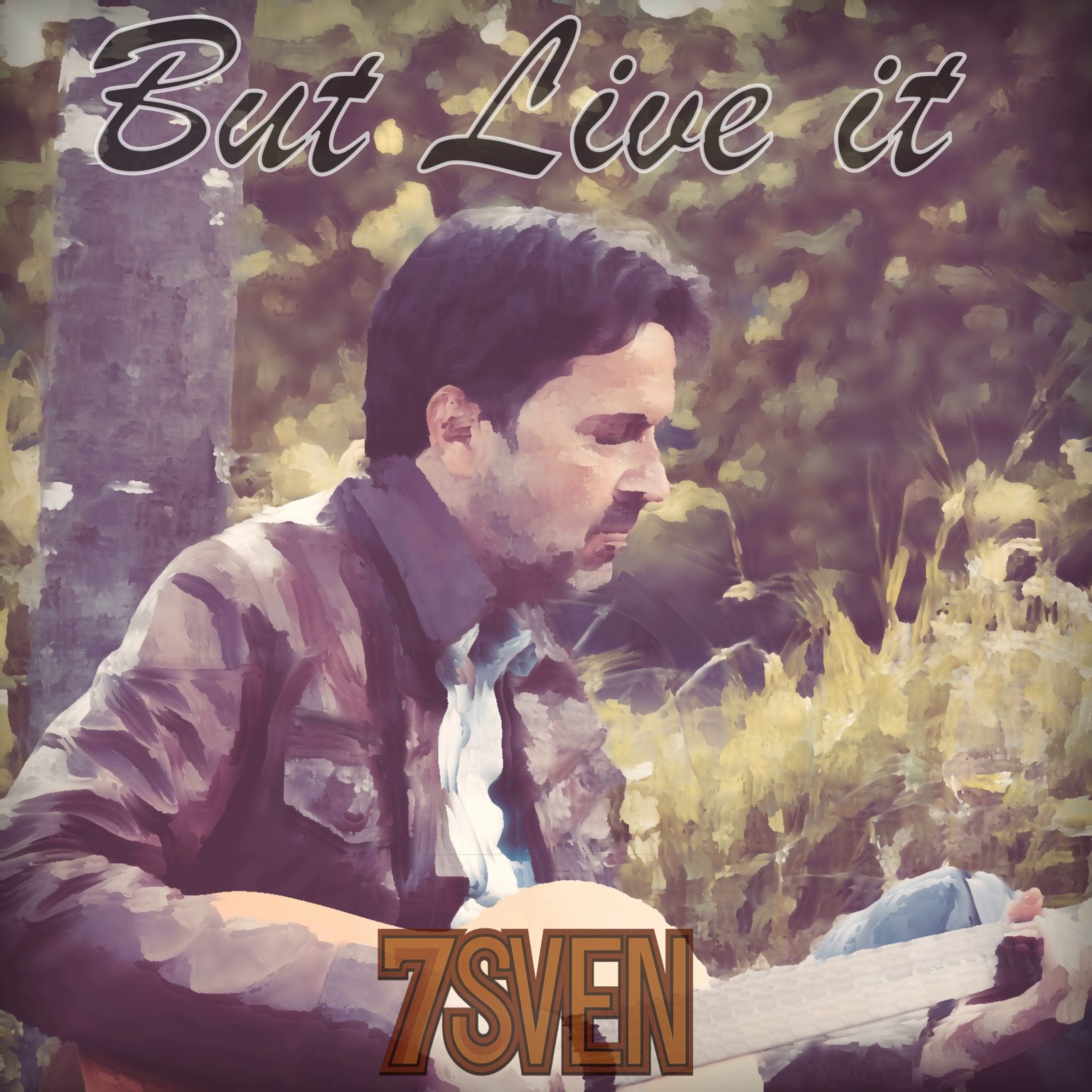
There’s a rare kind of album that asks to be considered. But Live It, the latest and most ambitious release from German independent artist 7SVEN, belongs firmly in that category. From the very first moments, the record feels like something unearthed rather than newly released — a warm, analogue-tinged collection that carries the soul of 70s jazz pop while speaking directly to modern anxieties. Influences like Steely Dan, George Michael, Rufus Wainwright, Supertramp, and even Sinatra aren’t worn as references so much as absorbed into the album’s bloodstream. What emerges is a work that feels timeless without being nostalgic, reflective without being indulgent, and deeply philosophical without ever sounding pretentious.
At its conceptual core, But Live It is shaped by a deceptively simple idea drawn from Seneca: life is not short; we simply fail to live it. That thought runs quietly but insistently through the album, shaping its narratives, moods, and musical arcs. Rather than presenting grand manifestos, 7SVEN explores this idea through intimate moments — pauses between decisions, quiet realisations, late-night reflections that arrive unannounced. The album unfolds like a series of internal conversations, each track another room in the same house, each melody another way of asking what it really means to be present in your own life.
The opening stretch sets the tone with remarkable confidence. “Routine” immediately establishes the album’s emotional stakes, pairing cinematic dynamics with a sense of political and personal unease. There’s a tension in the song that mirrors modern disillusionment — the feeling of being caught in cycles you didn’t choose, watching the world shift while trying to keep your footing. Musically, it blends rock, pop, and orchestral elements in a way that feels urgent and controlled. It’s a song that doesn’t drift into the background and insists on attention, asking the listener to confront how easily routine becomes resignation
From there, But Live It deepens its introspective pull with “Anorexic Mind,” one of the album’s most immersive and haunting moments. Built on shimmering piano lines, ghostly percussion, and layered guitars, the track feels suspended in midair — like standing at the edge of a personal revelation, unsure whether to step forward or retreat. The metaphor of a cliff diver before the jump captures the song’s emotional essence perfectly. There’s fear here, but also clarity, and the music mirrors that duality with restraint and atmosphere. It’s no surprise that critics have singled this track out as a standout; it embodies the album’s ability to turn vulnerability into something expansive rather than fragile.
The title track, “But Live It,” serves as the philosophical heart of the record. Inspired directly by Seneca’s writings, it asks questions that feel enormous and deeply personal: If you could do anything, what would you choose? If tonight were your last, how would you spend it? Rather than answering these questions outright, the song allows them to linger, carried by a warm orchestral arrangement that feels almost ceremonial. It’s not dramatic in a cinematic sense, but quietly transformative — the kind of song that reframes your thoughts long after it ends. Here, 7SVEN’s melodic sensibility shines brightest, turning abstract philosophy into something emotionally tangible.
As the album progresses, movement becomes a literal and metaphorical theme. “Sunset Train” embodies this beautifully, evoking travel not just as physical motion but as emotional transition. There’s a sense of leaving something behind without fully knowing what lies ahead, underscored by grooves that feel relaxed yet purposeful. Tracks like “Now and Then” and “The Days They Meet At Midnight” lean into memory and reflection, exploring how time folds in on itself — how past and present coexist in the same emotional space. These songs don’t rush, but trust the listener to sit with their subtleties.
One of the album’s greatest strengths is its stylistic range, handled with remarkable cohesion. “Shine (Album Version)” glows with optimism without tipping into naïveté, while “Hide” and “Wasteland” explore quieter, more shadowed emotional terrain. There’s an elegance to how these contrasts are arranged, allowing light and darkness to coexist without conflict. Even at its most introspective, the album never feels heavy-handed. The grooves remain supple, the arrangements breathable, reinforcing the idea that reflection doesn’t have to be sombre to be meaningful.
The inclusion of “Angel Eyes,” a Sinatra classic, could have felt risky, but instead, it reinforces the album’s timeless character. Rather than standing apart as a novelty, the cover integrates seamlessly into the flow, highlighting 7SVEN’s respect for musical lineage and his ability to reinterpret it with sincerity. It acts as a bridge between eras, reminding listeners that questions about love, longing, and presence have always existed — only the language changes. This sense of continuity is one of But Live It’s quiet triumphs.


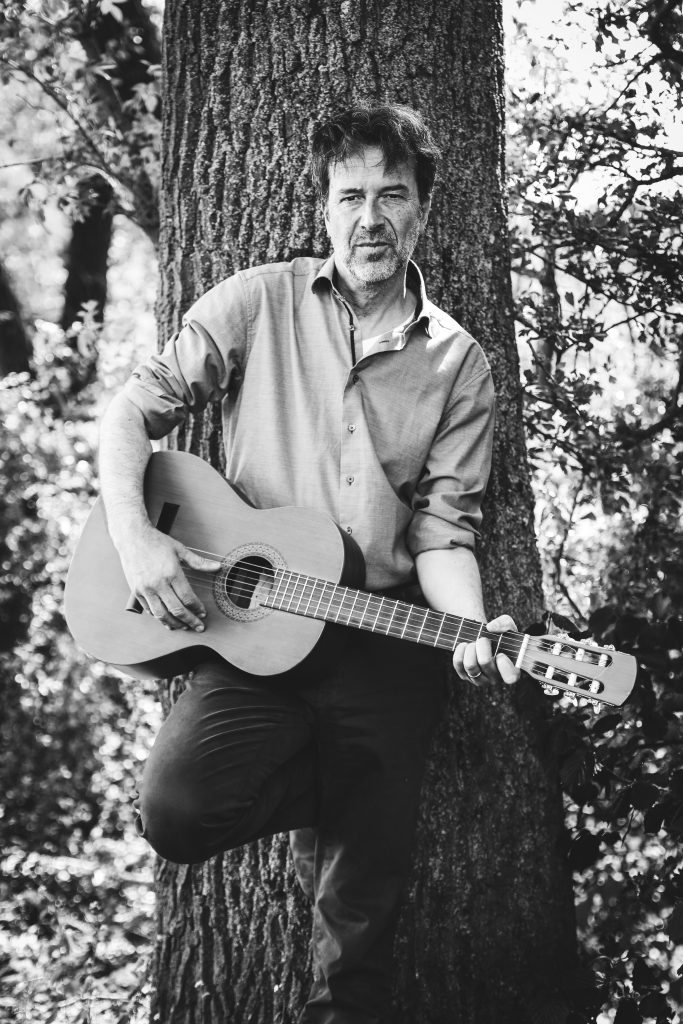
Vocally, 7SVEN carries the album with a sense of calm authority. His delivery is expressive without being theatrical, allowing emotion to surface naturally rather than being forced. There’s a conversational quality to his singing that enhances the album’s reflective nature, as though he’s thinking aloud rather than performing at you. Combined with the lush yet understated arrangements, this approach makes the record feel personal without becoming insular — an invitation rather than a confession.
Ultimately, But Live It succeeds because it practices what it preaches. It doesn’t rush, it doesn’t shout, and it doesn’t overwhelm. Instead, it lingers, grooves, and asks you to slow down long enough to notice your own life unfolding. Like a rediscovered vinyl spinning late at night, the album rewards patience and repeat listening, revealing new emotional textures each time. In an era obsessed with immediacy, 7SVEN offers something quietly radical: an album that reminds you not just to think about living, but to actually do it.