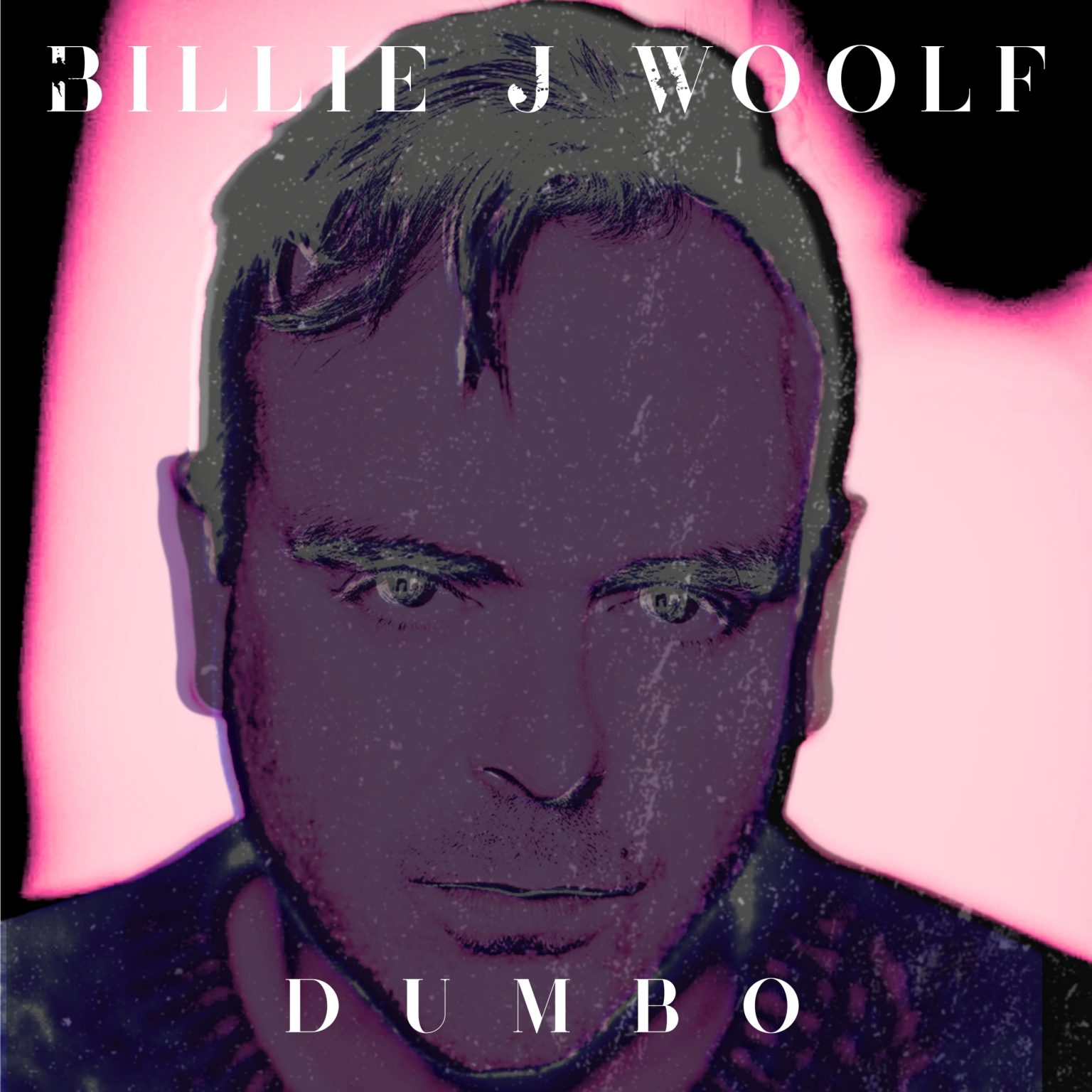
Billie J Woolf’s debut single “Dumbo” unfolds, expands, and ultimately engulfs the listener in a carefully constructed world where identity, performance, and vulnerability blur into one continuous act. As an introduction to Woolf’s theatrical art-rock vision, the track immediately signals an artist uninterested in conformity or brevity. Clocking in at over six minutes, “Dumbo” resists the streamlined expectations of contemporary music, choosing instead to embrace a more deliberate, cinematic pacing. From its opening moments, there is a sense that this is an experience—one that invites the listener to sit with discomfort, contradiction, and the fragile space between self-perception and external performance. It is a bold debut because it refuses to compromise.
The composition itself is richly layered, anchored by lush piano arrangements that provide structure and emotional grounding. These keys serve as a constant thread throughout the track, around which the other elements orbit and evolve. Gradually, Bowie-esque guitar textures begin to emerge, adding a sense of drama and unpredictability to the arrangement. The drums, cavernous and deliberate, give the piece a physical weight, each beat echoing like a distant pulse that grows stronger as the song progresses. What makes the instrumentation particularly compelling is its sense of restraint—nothing feels rushed or overcrowded. Instead, Woolf allows space to play an active role, letting silence and minimalism heighten the impact of the eventual sonic swell. As the track builds toward its climax, these elements converge into something expansive and almost overwhelming, yet never chaotic without purpose.
Vocally, Woolf delivers a performance that feels deeply intimate, as though each line is being discovered in real time. There is a vulnerability in the quieter passages that draws the listener inward, creating a sense of closeness that contrasts sharply with the grandeur of the instrumentation. As the song develops, the vocals evolve alongside it, shifting from introspective murmurs to more pronounced, emotionally charged expressions. This dynamic progression mirrors the thematic core of “Dumbo,” which explores the tension between outward appearance and internal reality. The lyrics do not offer straightforward answers but linger in ambiguity, reflecting the fluidity of identity that Woolf seeks to examine. There is a theatrical quality to the delivery, but it never feels performative in a superficial sense—rather, it underscores the idea that performance itself is an integral part of how we navigate the world.
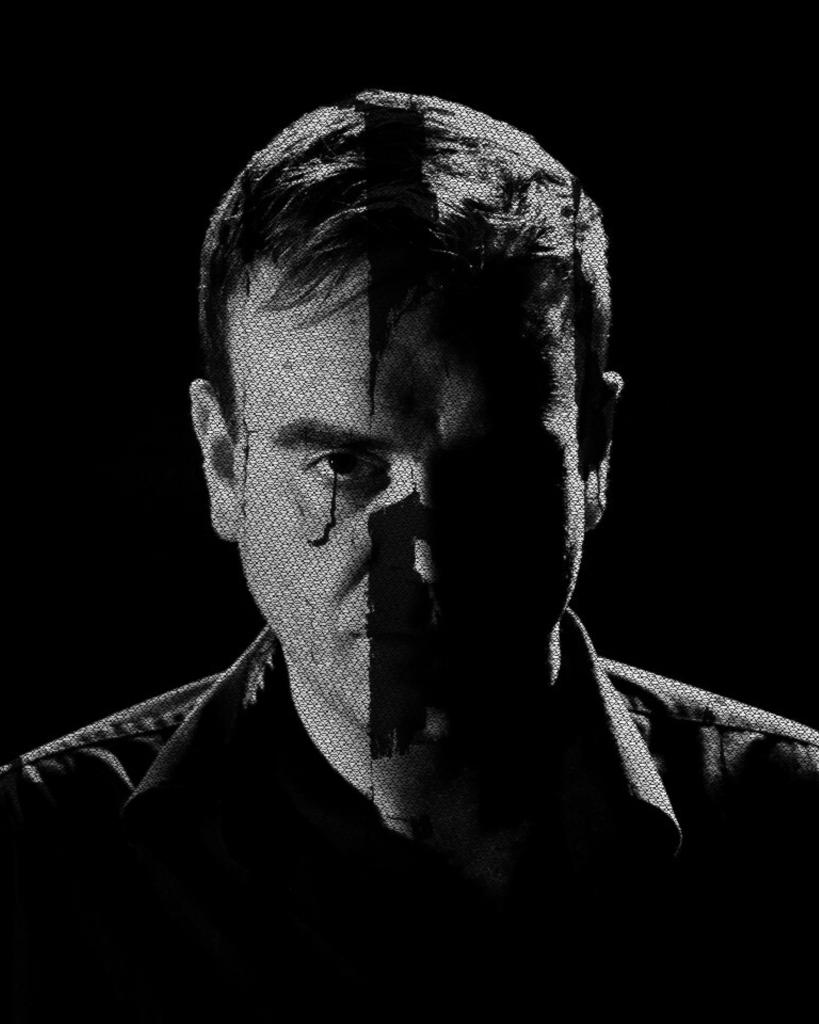
Ultimately, “Dumbo” stands as a compelling statement of intent, positioning Billie J Woolf as an artist committed to depth, experimentation, and emotional honesty. It challenges the listener to move beyond passive consumption, encouraging active engagement with its themes and structure. In a musical landscape often driven by immediacy and accessibility, Woolf’s approach feels refreshingly unhurried and unapologetically intricate. The track does not seek to provide comfort or easy resolution but embraces the beauty in uncertainty, inviting listeners to confront their own dualities along the way. As a debut, “Dumbo” is fully formed, presenting a clear artistic identity that is distinctive and thought-provoking. It leaves a lasting impression, not through spectacle alone, but through its willingness to explore the complexities of being human and to transform them into something quietly profound.
Connect with Billie J Woolf
SOUNDCLOUD
SPOTIFY
INSTAGRAM
YOUTUBE