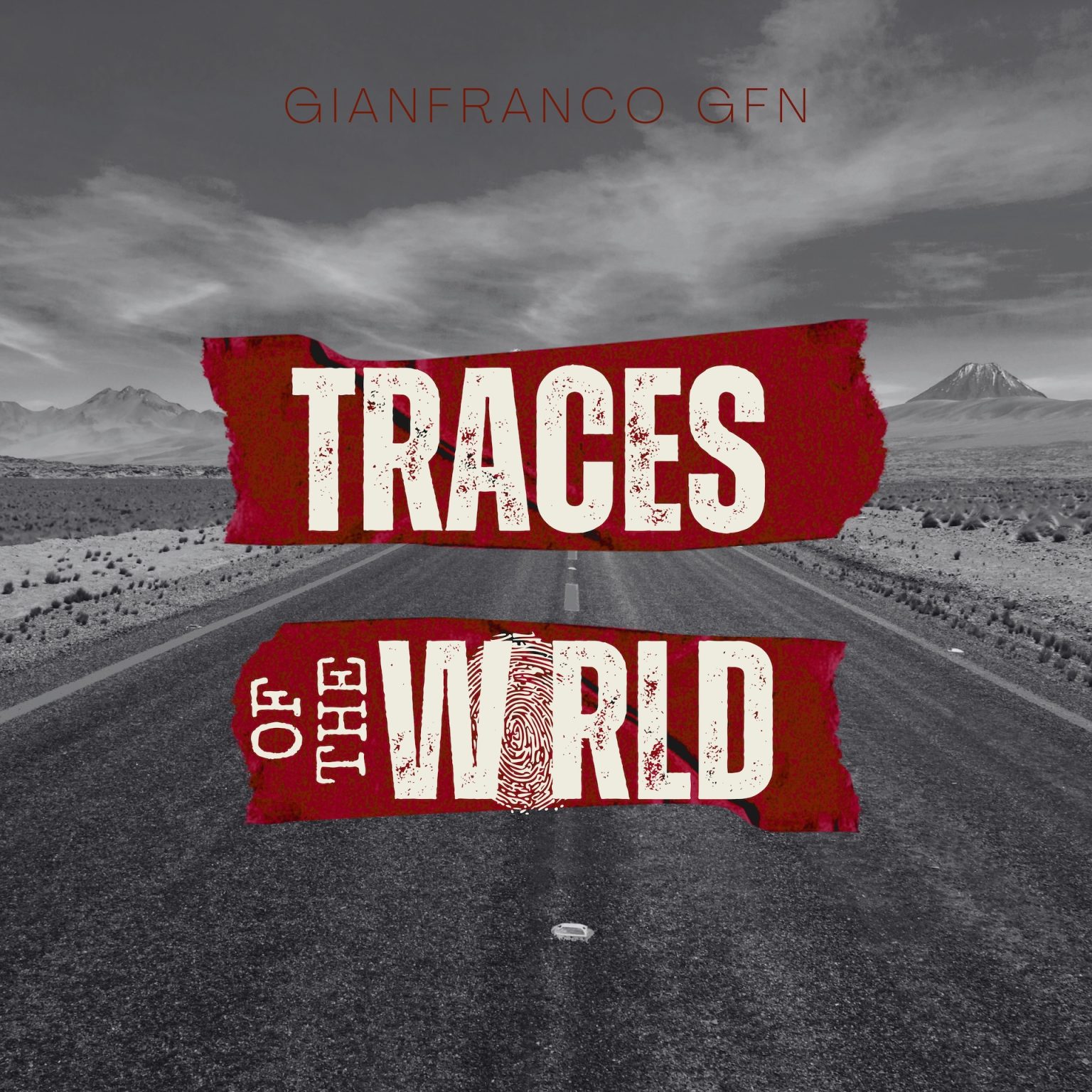
Gianfranco GFN’s “Traces of the World” is a musical journey without a map. The Swiss-Italian guitarist, composer, and producer creates an atmosphere that’s warm, curious, and quietly expansive from the opening moments, bringing acid jazz, soul, funk, and world music together in a piece that’s less a postcard from faraway lands and more a collection of memories accumulated along the way. The single, released as a preview of Gianfranco GFN’s upcoming album, has a graceful sense of movement, but the most compelling aspect is the way it ties travel to emotion. This is music about the residue of journeys: the faces recalled on returning home, the sounds imbibed from unknown streets, the conversations that linger in the mind, and the subtle ways in which encounters with different cultures remap our understanding of ourselves. The expressive guitar of GFN is warm and confident, not demanding attention at every moment, but it sits naturally at the center of this experience. It’s like a guide, almost, taking you through a landscape where every rhythmic change and melodic phrase is a signpost to somewhere else. But at no point does “Traces of the World” feel hurried. There’s an attractive patience to the arrangement, each musical component allowed to emerge, breathe, and settle before the next layer is added. It is this spaciousness that provides the track its cinematic quality. GFN doesn’t bludgeon the audience with spectacle but instead creates a world that takes its time to reveal itself, and despite its themes crossing continents, the journey still feels intimate.
The chemistry between the musicians is where the track really starts to glow, adding richness to the music. David Caraccio’s bass and keyboard work provides a solid foundation for the composition, adding rhythmic stability and harmonic warmth to the music. Nicolas Pittet’s drumming and Lucien Matthey’s percussion add movement without disturbing the relaxed character of the track. But the groove is never pushed to the front for effect; it’s more of a current that carries the song forward. Christian Chopard’s keyboard work broadens and layers the harmonic terrain, slowly unfolding the composition to give it an almost panoramic feel. And then there’s GFN’s guitar, which always provides melodic guidance, weaving through the arrangement with the finesse of a player who knows that sometimes less is more and that expression is often more powerful than excess. One of the most appealing aspects of the recording is the natural way in which the individual parts converse. It seems like every musician understands the overall vision. No instrument is trying to outshine the others. That balance is so important, especially on a track that is so much about the idea of cultural connection. The music itself shows how different voices can live together in the same space. Acid jazz adds sophistication and fluidity, soul adds emotional warmth, funk adds the pulse, and world music adds a sense of place. But none of these influences ever appear forced together. They slide and glide into each other with an amazing ease, making a unified sound that feels organic rather than calculated. The production deserves credit for maintaining that sense of space. It doesn’t fill every available corner with sound but rather allows melodic phrases, rhythmic details, and instrumental conversations to remain separate. The end result is a groove that breathes and is very much a conversation.
Vladimir Carbone plays the lead role, while Charlyn provides the backing vocals, adding an emotional dimension to the piece. Their interaction gives “Traces of the World” a human voice that enriches the instrumental story, and the vocal part works particularly well because it does not drown out the musicianship around it. The delivery is thick and frank, as if the words contained memories that needed to be said. The vocals focus on the track’s main theme: travel is not just a physical move but also the impressions people take on and carry with them. With the warm instrumentation, the voice becomes another instrument of connection, and the song becomes something more intimate, rather than an elegant groove. The strings and harmonic textures are gentle, and the instrumentation adds to the atmosphere, providing a serene background into which the emotional details can slowly come to the fore. Nothing is forced. The rhythm maintains its steady pulse underneath, supporting rather than overwhelming the vocals, and the arrangement is allowed to flow with comfortable momentum. This works particularly well since “Traces of the World” is a song about discovery, and discovery rarely happens all at once. Its emotional impact builds gradually. The track provides an opportunity for the listener to notice the little things—how a line played on keyboards introduces the harmony, how percussion contributes a slight variation in texture, how the guitar comes back with one more expressive phrase, or how backing vocals broaden the emotional scope. There is a sense of hope that is palpable throughout the recording. It feels like the start of something rather than the end of a journey, carrying the excitement of new possibilities without becoming overly sentimental. Such optimism is among the most winning qualities of the track. It suggests that the experience of strange places and people can affect us in ways not always apparent but that continue to shape who we become.
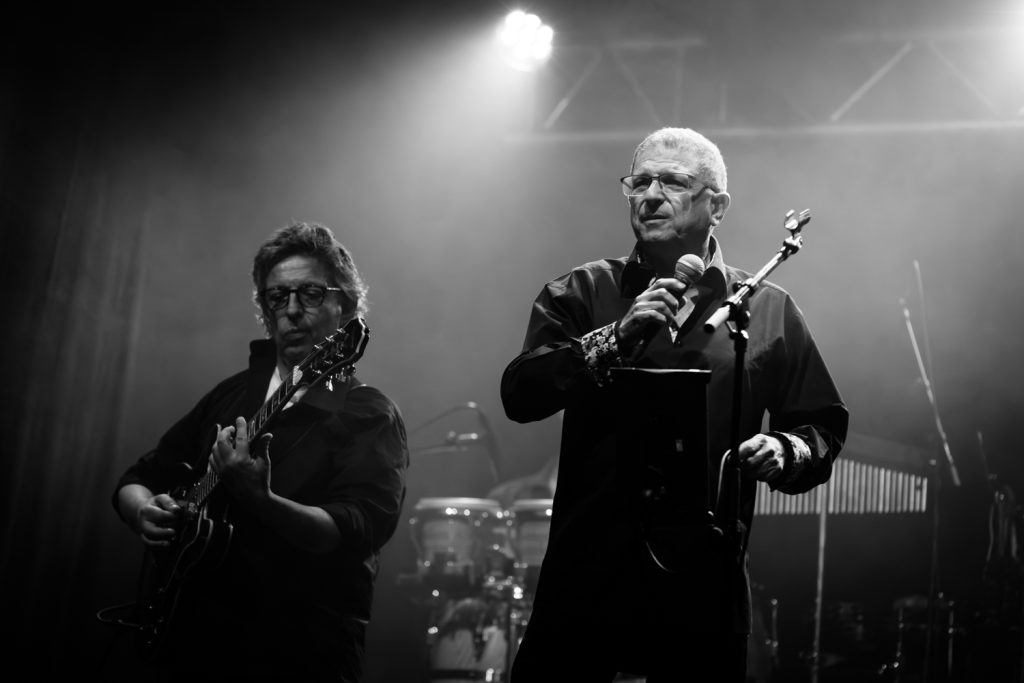
Ultimately, “Traces of the World” works because Gianfranco GFN gets that the most important journeys are the ones that stay with us long after we’ve returned home. The single is a graceful ode to movement, diversity, memory, and collective human experience but never arrives at those ideas with clumsy earnestness. Instead, it allows the music to express them naturally through groove, texture, melody, harmony, and collaboration. GFN and his ensemble give the feeling of journeys through a series of emotional landscapes, never losing the comforting sense of a musical home. The track’s personality remains remarkably focused, despite a broad stylistic vocabulary that fuses acid jazz, soul, funk, and world music. The musicianship is polished but never sterile, sophisticated but never inaccessible. Every element seems to have been placed with purpose, from the expressive guitar and grounded bass to the keyboards, percussion, drums, lead vocal, and harmonies. The two together make a soundscape that works just as well as an attentively listening experience or as the soundtrack to a quiet moment of reflection. And more significantly, the essence of the tune sticks with us even after the last notes: every city we travel to, every culture we learn about, and every individual we encounter can leave a mark. These traces become memories and, in the end, part of who we are. GFN captures that beautiful process without making it a simple travelog. Instead, “Traces of the World” is a musical reminder that beneath the geographical differences are emotions we all know—curiosity, longing, connection, hope, and the desire to understand each other. It’s warm and graceful and groove-laden, and it captures your attention without demanding it. There’s a quiet confidence to the experience that makes it all the more rewarding. When it fades, the listener may feel they have been somewhere without leaving their seat, taking away not a photograph of a particular destination but the much more valuable impression of a world connected by music.
Connect with Gianfranco, GFN
WEBSITE
FACEBOOK
SPOTIFY
INSTAGRAM
SOUNDCLOUD