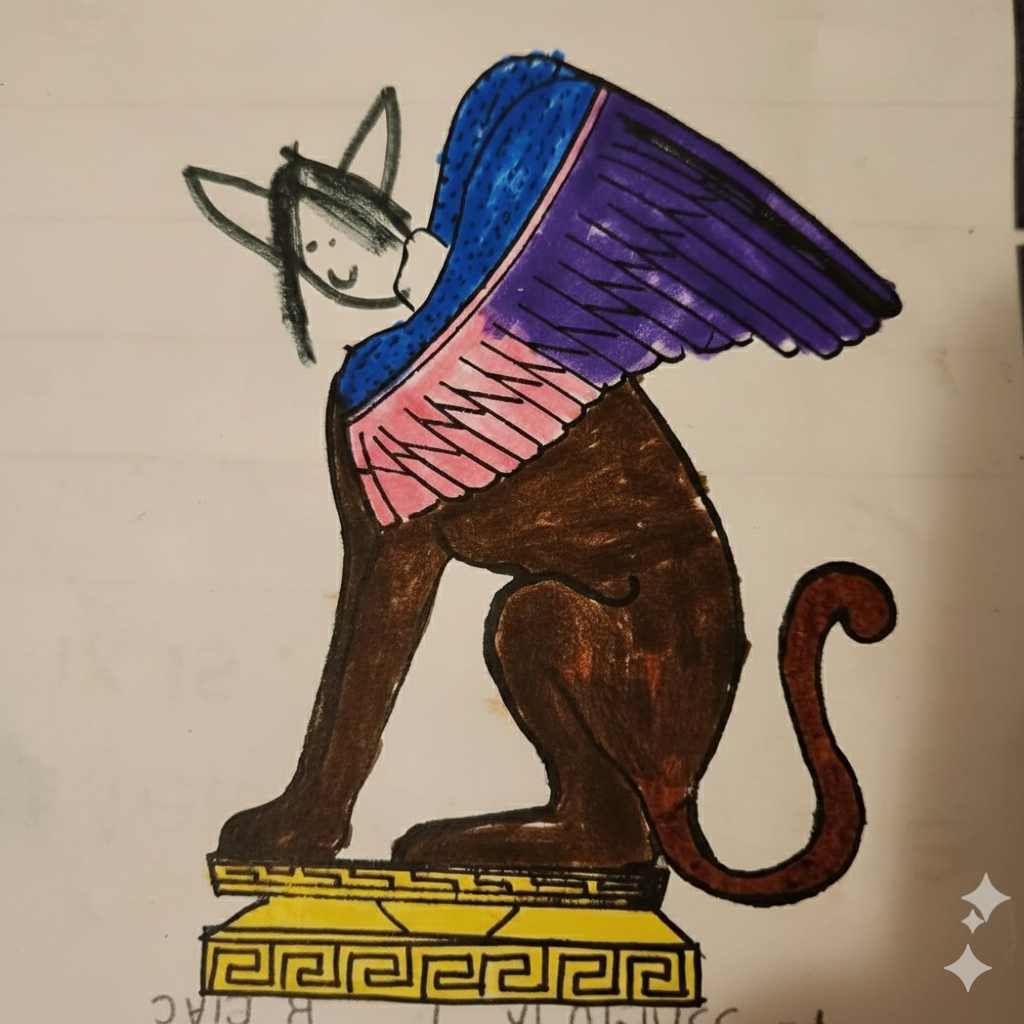
Oreaganomics has never been interested in playing the game the way everyone else does, and Locked Out on Valentine’s Day feels like the clearest articulation of that refusal yet. Anonymous, largely absent from social media and uninterested in traditional live circuits, the group has instead built a two-decade-long identity rooted in sound, substance, and silence. Recorded in the Catskill Mountains, this album doesn’t feel like a product designed for virality, but feels like a lived-in document. It captures frustration, longing, and resilience with a rare balance of intimacy and scale. From the first moments, you sense this album is one holding a mirror up to the quiet anxieties of modern life and asking you to sit with them.
The album’s title alone sets the emotional framework. Locked Out on Valentine’s Day suggests exclusion not just from romance, but from comfort, stability, and ease. That idea threads through the record with remarkable cohesion. Tracks like “Next Meal” and “Work Not Heart” immediately ground the listener in economic and emotional scarcity, where survival often replaces softness. “Work Not Heart,” in particular, emerges as a thematic anchor—telling the story of someone who succeeds professionally but remains emotionally unseen. It’s not framed as self-pity, but as observation, and that restraint makes it hit harder. Oreaganomics don’t beg for empathy; they earn it through honesty.
Sonically, the album is as expansive as its themes. Oreaganomics’ genre-defying approach—blending lo-fi textures, R&B and soul, pop hooks, jazz inflexions, folk intimacy, and rock grit—never feels scattered. Instead, it mirrors the fragmented nature of modern existence. “Addicted to Emotions” leans into synth-drenched introspection, glowing with neon melancholy, while “Venus” floats in an almost time-dislocated haze, as if caught between decades. There’s a constant push and pull between warmth and unease, familiarity and experimentation, making the listening experience feel exploratory rather than passive.
One of the album’s greatest strengths is its production, which feels lush and human. There’s a brightness throughout that nods to classic ’70s instrumentation, especially in the guitar tones and bass work, yet everything is filtered through a modern lens. The guitars shimmer, crunch, and occasionally unravel; the basslines glide with confidence; and the rhythm sections lock into grooves that feel instinctive rather than mechanical. Even when the arrangements grow dense, nothing feels overcrowded. The album breathes. It rewards careful listening, but it also works effortlessly as a companion for late-night drives or early-morning reflection.
Lyrically, Oreaganomics remain committed to documenting real life without dramatising it for effect. Themes of wealth inequality, cost-of-living pressures, emotional burnout, and self-doubt recur throughout the record, but they’re delivered with nuance rather than slogans. “Equal Wrongs” and “Winners Write” wrestle with moral imbalance and narrative control, while “Love Thy Enemy” reframes forgiveness as a survival strategy rather than a moral high ground. There’s wit here, but it’s dry and understated. The words don’t shout, but linger. Upon repeated listens, the lyrical depth becomes even more apparent, revealing layers that initially lie quietly beneath the surface.
Emotionally, the album hits its most affecting moments when vulnerability and rhythm collide. “Pull Me Under” stands out as a euphoric release, its inviting groove masking an undercurrent of emotional surrender. It’s joyful without being naïve, uplifting without ignoring the weight carried elsewhere on the record. Similarly, “I Hate Me Too” delivers self-critique without self-destruction, walking a careful line between confession and catharsis. The vocal performances across the album are controlled but expressive, never overselling the pain, never distancing themselves from it either.
The closing stretch of the album reinforces just how confident Oreaganomics have become in their identity. “Burn For No Reason” and “Gotta Habit Gotta Have It” feel restless and searching, while “Was Great Now Good,” featuring Distinct Ink, adds a reflective final note that feels earned rather than resigned. There’s no grand resolution here, no artificial uplift. Instead, the album ends the way it lives: aware, honest, and unresolved in a way that feels truthful. Life doesn’t always wrap itself up neatly, and neither does this record.

What makes Locked Out on Valentine’s Day especially compelling is how unapologetically personal it is without becoming insular. Oreaganomics isn’t telling you their story so you’ll admire it, and it tells it so you might recognise pieces of your own. The album doesn’t ask for attention through spectacle or persona but asks for understanding. That quiet confidence—built over years of resisting industry norms—gives the music a gravity that many louder releases lack.


After nearly 20 years of evolution, Oreaganomics sound fully comfortable in their skin. Locked Out on Valentine’s Day is their most generous. It offers listeners a space to sit with discomfort, to find beauty in imperfection, and to feel less alone in the contradictions of modern life. In a world obsessed with visibility, Oreaganomics remind us that sometimes the most powerful statements come from those who step back, turn down the noise, and let the music speak.
Connect with Oreaganomics
SPOTIFY
SOUNDCLOUD
YOUTUBE